OUR THREE CORE SOLUTIONS

Design. Build. Transform.

Choose the capability your program needs today. We can support one work package or connect all three into an end-to-end engagement.

Engineering team reviewing system and hardware designs

System, Software & Hardware Engineering

Product and system design, plus independent design review across system, software and hardware domains aligned with Automotive SPICE.

Support from requirements and system architecture through software and hardware design, interface definition, traceability, verification planning and technical review. Engagements can cover a complete build or focus on an independent review of an existing design against Automotive SPICE expectations and project-specific quality, safety and performance targets.

View detailed capabilities →
PCBA prototype and electronic component design

Prototyping, PCBA & Component Supply

Rapid prototype manufacturing, 3D printing, PCBA fabrication and assembly, plus modules and electronic component supply.

A practical path from design files to testable hardware: mechanical samples and 3D-printed parts, PCB fabrication and assembly, engineering builds, module sourcing and component supply. We coordinate technical requirements, manufacturability, supplier selection, build quality and delivery so teams can validate sooner and prepare for scale.

View detailed capabilities →
Automated factory production line for ERP and MES integration

ERP, MES & Factory Digitalization

Consulting and implementation for enterprise and factory solutions, including ERP, MES and production-system integration.

We assess business and manufacturing processes, define the target architecture, select and configure the right solution, integrate operational data and support deployment. The goal is a usable system connecting planning, materials, production, quality and traceability—not a disconnected software installation.

View detailed capabilities →
DETAILED CAPABILITIES

What Each Solution Includes

Scope is adapted to the project stage, but every engagement is built around clear technical boundaries, usable outputs and measurable acceptance criteria.

Engineering team reviewing system and hardware architecture
01 · SYSTEM, SOFTWARE & HARDWARE

Engineering Design & Independent Review

For teams building a new product, inheriting an incomplete design or preparing for a customer milestone. We can own a defined engineering work package or review the existing baseline before risk reaches tooling, integration or release.

System Engineering

Stakeholder and system requirements, operating scenarios, architecture decomposition, interface ownership and requirement traceability.

Software Engineering

Software requirements and architecture, component boundaries, state behavior, diagnostics, interfaces and verification strategy.

Hardware Engineering

Schematic and architecture review, component margin, power, signal integrity, thermal, EMC, testability and manufacturability.

Automotive SPICE Alignment

Practical alignment of engineering artifacts, reviews and evidence with the relevant ASPICE process expectations—not audit-only paperwork.

Typical outputs

Requirements baseline · System/SW/HW architecture · Interface definitions · Review findings · Traceability matrix · Verification and validation plan

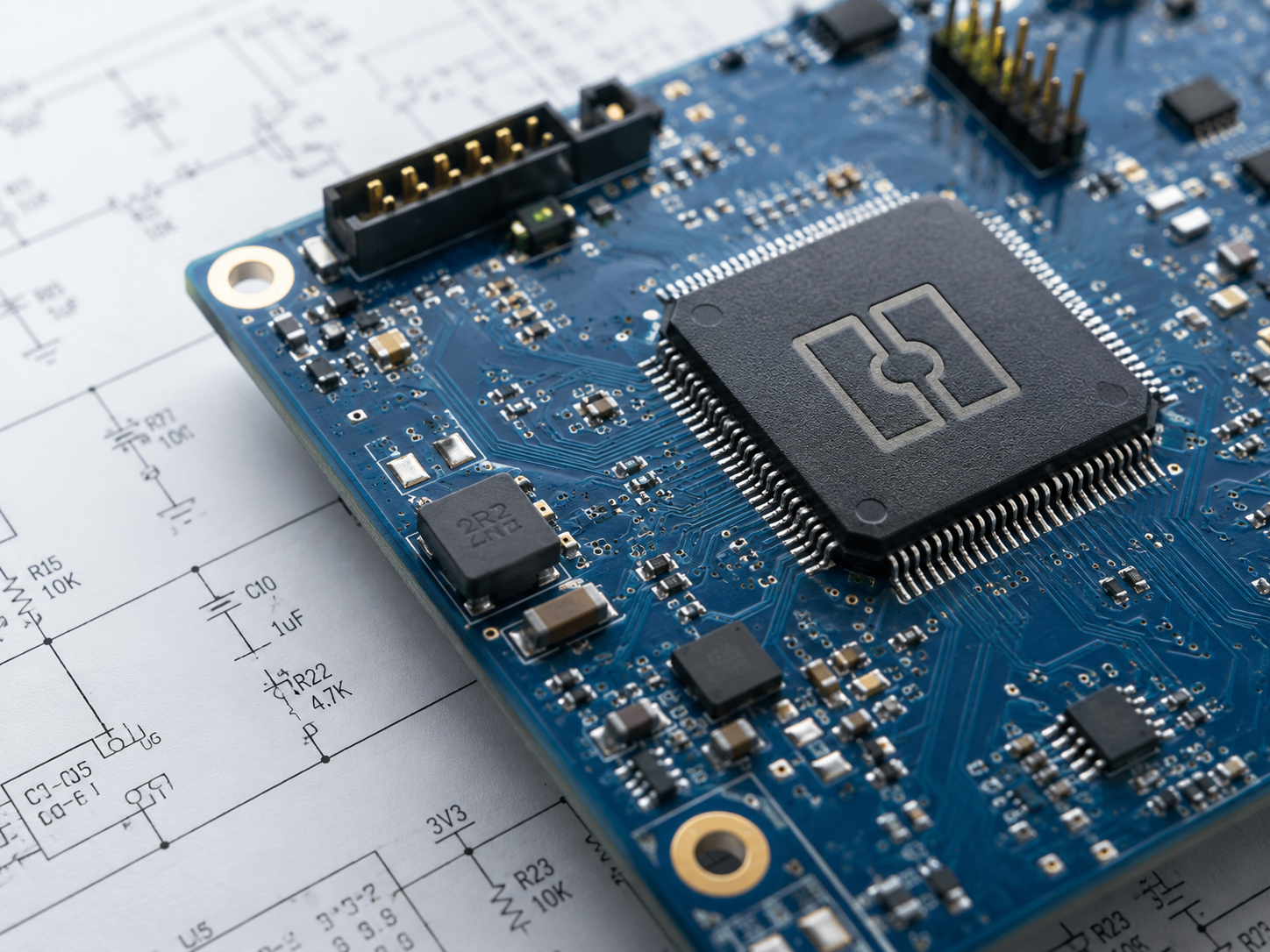
PCBA prototype, schematic and electronic components
02 · PROTOTYPE, PCBA & COMPONENTS

From Design Data To Testable Hardware

For programs that need to validate form, fit and function quickly—or secure a build when supplier lead time, BOM availability and manufacturing readiness are becoming the critical path.

Rapid Prototyping

3D-printed mechanical parts, enclosures, fixtures and engineering samples for fit checks, design iteration and functional testing.

PCBA Build

Fabrication and assembly coordination from Gerber, BOM and placement data through DFM review, NPI build and inspection feedback.

Modules & Components

Technical sourcing of electronic components and functional modules against specification, lifecycle, availability and qualification needs.

Supply Risk Control

Alternative-part evaluation, supplier comparison, documentation gaps, delivery tracking and issue escalation around the project milestone.

Typical outputs

Prototype parts · Assembled PCBAs · DFM findings · BOM and approved alternatives · Supplier decision matrix · Build and inspection records

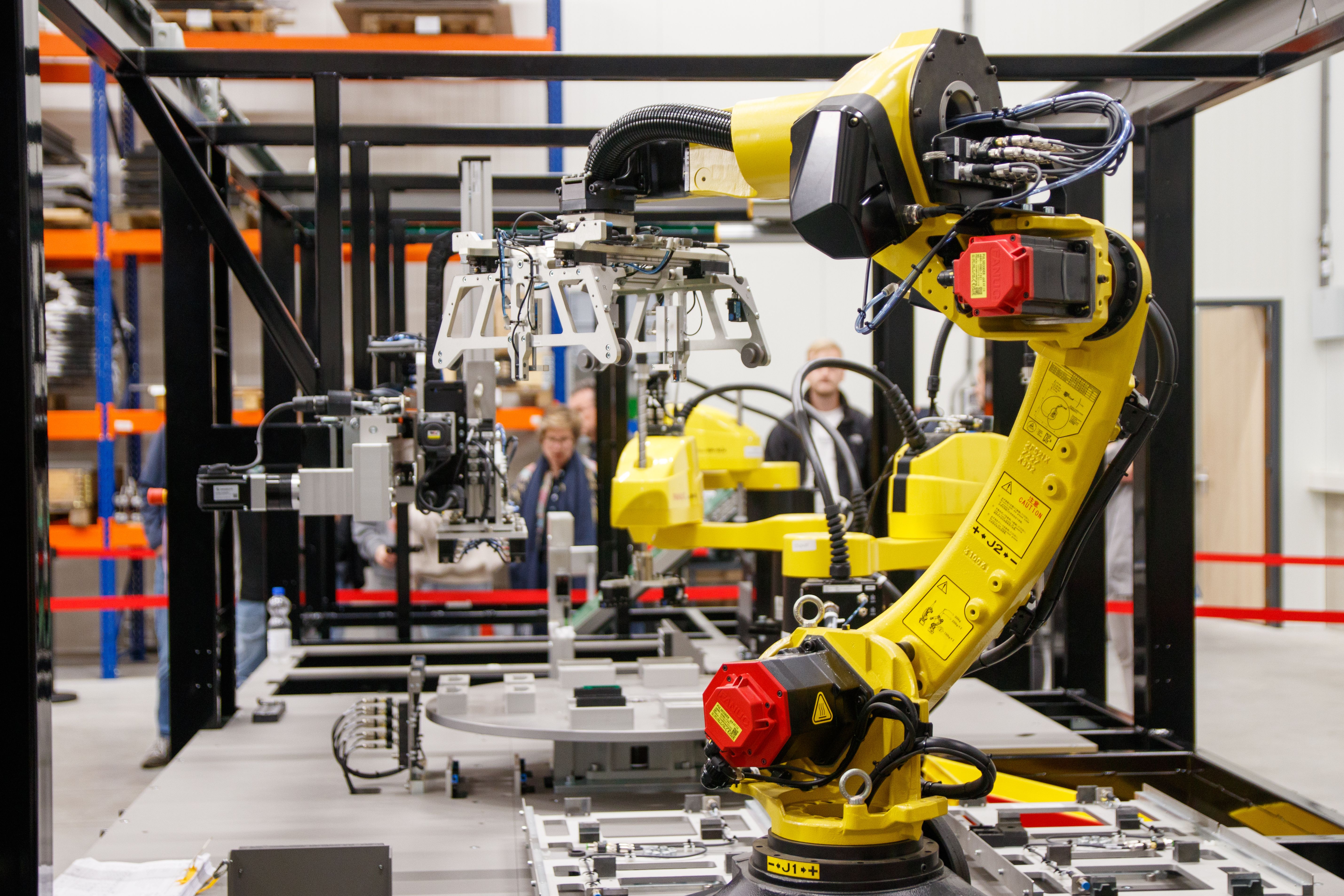
Automated factory line connected to ERP and MES operations
03 · ERP, MES & FACTORY

Know When Spreadsheets Stop Scaling

ERP and MES are not signs that a company has become “professional.” They are control systems for specific coordination problems. Implemented too early, they freeze immature processes and create administration. Implemented too late, teams spend each week reconciling different versions of orders, inventory, WIP, quality and delivery status.

STAGE 01

Startup / Early Operation

A small team can still coordinate through direct conversation and a controlled set of files.

Do first:Define item codes, BOM ownership, project stages and one source of truth. A full ERP may be premature while the process changes every week.
STAGE 02

Scaling Across Projects

More customers, projects and employees create shared-resource, purchasing and delivery conflicts.

ERP starts earning its cost:Control order-to-cash, project budgets, procurement, inventory, capacity and financial commitments in one transaction model.
STAGE 03

Factory / Multi-Line Operation

The plan exists in ERP, but supervisors still cannot see accurate WIP, downtime, genealogy or quality status from the shop floor.

MES becomes necessary:Control execution by work order, operation, machine, material lot, operator and quality checkpoint as production happens.

Signals That The Current System Is Already Costing You

These are diagnostic triggers, not universal industry benchmarks. The right threshold depends on product complexity, regulation and production model.

  • 2+ manual re-entriesThe same order, BOM or material movement is typed into multiple files or systems.
  • 3–5+ working daysTeams need several days to reconcile inventory, project cost or month-end operating data.
  • <97–98% inventory accuracyThe system quantity cannot be trusted for purchasing or production release without a physical check.
  • <85–90% schedule adherencePlanned completion dates repeatedly move because actual capacity, shortages and WIP are not visible together.
  • Hours to trace a lot or serial numberQuality teams reconstruct genealogy from paper, chat messages and separate machine files.
  • Next-day production visibilityDowntime, scrap and output are manually consolidated after the shift instead of supporting decisions during it.

ERP And MES Solve Different Layers

Decision layerERPMES
Primary question

What should the business buy, make, deliver and account for?

What is actually happening to this order, unit and operation now?

Core objects

Customer orders, projects, BOMs, purchasing, inventory, capacity and cost.

Work orders, routing, WIP, machines, operators, parameters, defects and genealogy.

Time horizon

Days, weeks, months and financial periods.

Shift, hour, cycle and event.

What improves

Commitment visibility, material planning, project margin and cross-department control.

Schedule execution, traceability, quality evidence, downtime response and real production status.

WHEN IT CREATES VALUE
  • Processes and master-data owners are defined.
  • Management agrees which system owns each record.
  • KPIs have operational definitions and accountable users.
  • Deployment is phased around measurable business pain.
WHEN IT MAKES THINGS WORSE
  • Software is used to avoid deciding how the process should work.
  • Every department demands its spreadsheet be copied into the new system.
  • Bad BOM, routing and inventory data are migrated without cleanup.
  • Go-live is measured by features installed instead of decisions improved.
What ERP/MES will not fix by itself

Unclear process ownership · Invalid master data · Unstable BOMs and routings · Weak production discipline · Incentives that reward local optimization · Management decisions made outside the system
HOW TO ENGAGE

Start With The Outcome You Need

Bring us a product requirement, prototype demand or operational bottleneck. We will define the shortest practical path to delivery.